When it comes to protecting a property, siding is more than just an exterior layer—it’s the shield that stands between the building and everything nature throws its way. For homeowners, it means safety and curb appeal. For businesses, it represents professionalism and a strong brand image.
But here’s the thing: commercial siding installation and residential siding installation are not the same game. They might share the same purpose—protection and beauty—but the process, materials, scale, and regulations vary drastically.
If you’re a property owner, understanding these differences is critical before choosing a siding contractor. You don’t want to apply residential standards to a commercial project or vice versa. Each requires its own expertise, planning, and execution.
In this guide, we’ll break down the key differences in a clear, approachable way so you know what to expect and how to make informed decisions that protect your investment and bring peace of mind.
How Project Scale Changes Everything in Siding Installation
One of the first things you’ll notice when comparing commercial and residential siding installation is the sheer project scale.
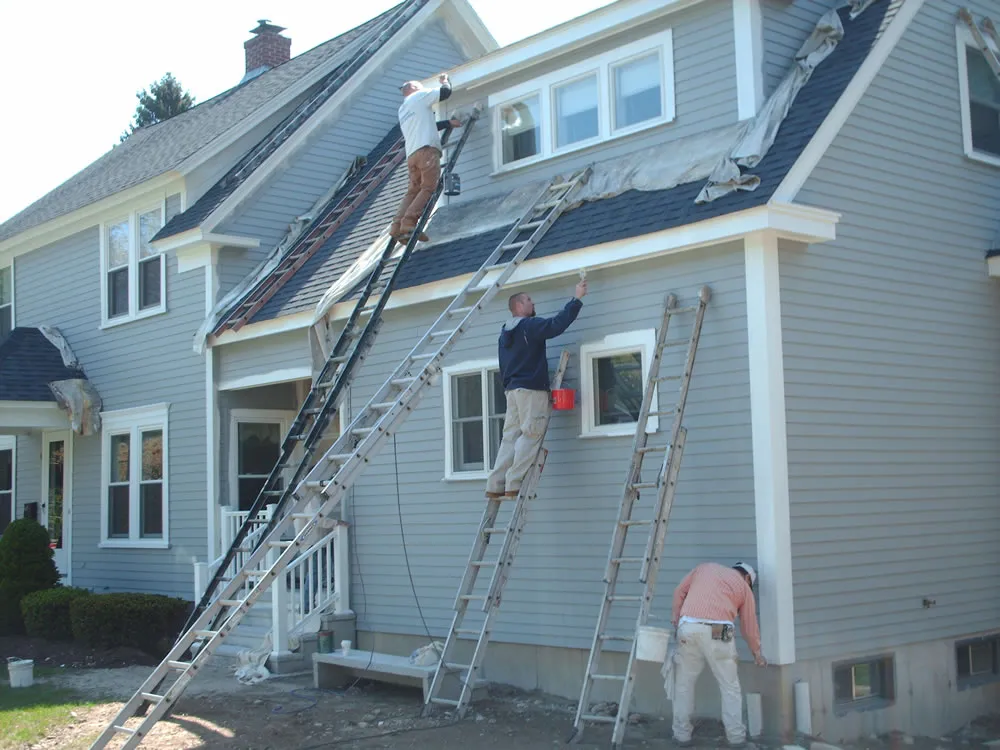
A typical home siding project may involve a few thousand square feet, handled by a small crew in a matter of days. Now compare that with a shopping complex, hospital, or warehouse. Those projects often span tens of thousands of square feet, requiring cranes, scaffolding, and a team of specialists trained to handle large-scale challenges.
This difference in scale impacts cost, labor, and even logistics. For example, deliveries for a residential project might come on a single truck, while commercial projects demand multiple shipments of industrial materials to keep work moving on schedule.
The larger the project, the greater the demand for coordination. A professional commercial siding contractor brings the expertise to manage this scale without disrupting business operations. For business owners, this means your business exterior can be upgraded efficiently while minimizing downtime.
Why Building Codes Matter More in Commercial Siding Installation
Residential siding projects need to follow local building codes, but commercial projects operate under much stricter regulations. Commercial properties must meet fire ratings, insulation standards, and in some cases, special requirements based on occupancy type.
For example, the siding on a daycare center might require enhanced fire resistance, while a healthcare facility could have unique standards for weatherproofing and energy efficiency. A seasoned commercial siding contractor will know how to navigate these rules and ensure compliance.
Ignoring building codes isn’t just a risk to safety—it can lead to failed inspections, costly delays, and even fines. That’s why having someone who understands the differences between residential and commercial codes is non-negotiable.
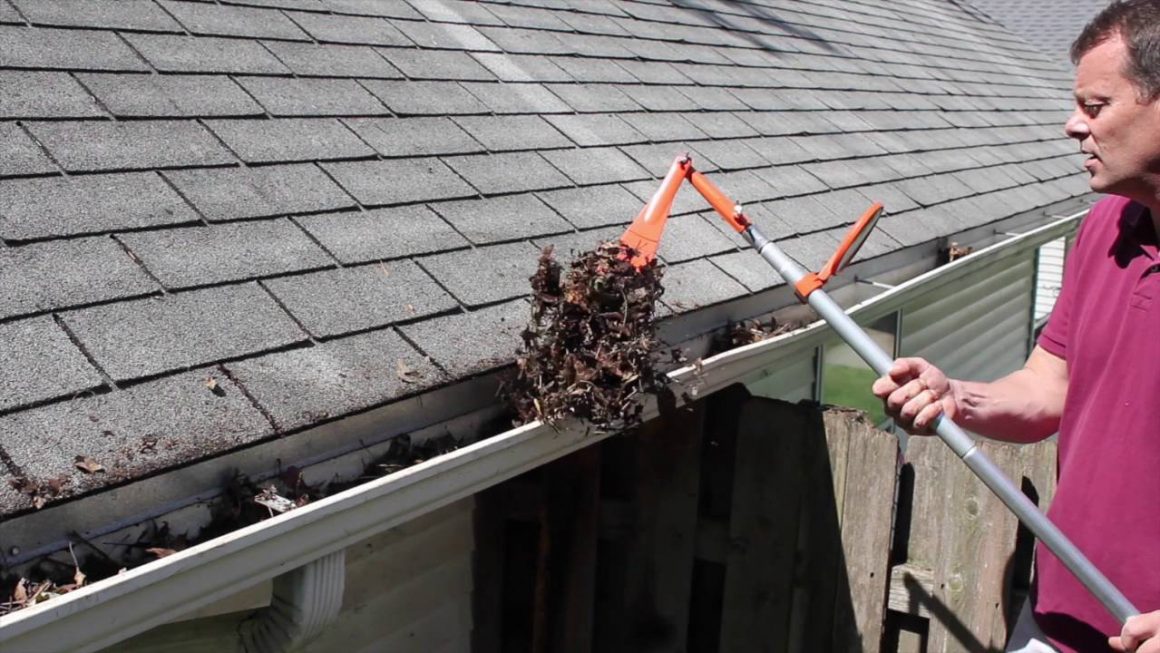
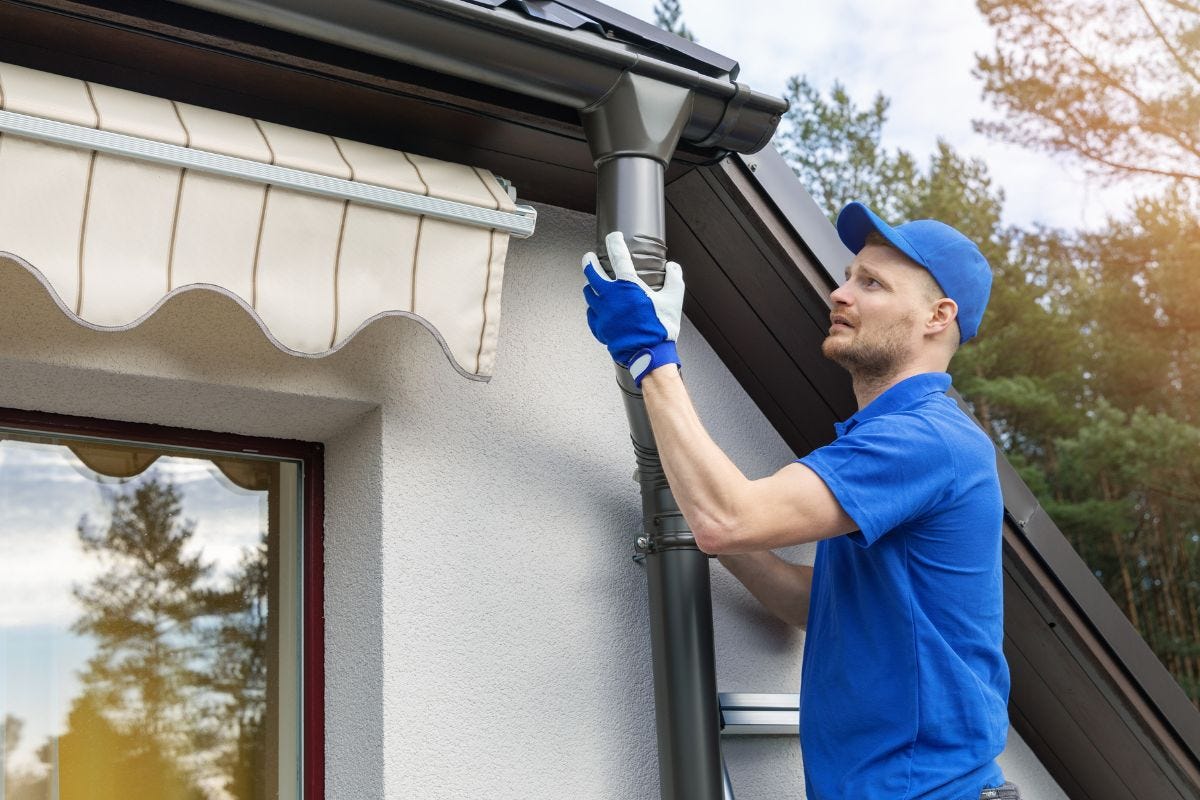
This is also where commercial exterior services come into play. Many contractors offer comprehensive solutions that ensure siding, windows, and commercial gutter systems work together to meet regulations while protecting the property long term.
Timeline Differences: Why Commercial Projects Take Longer
Another major difference is the timeline. Most residential siding projects can be completed in a week or two, depending on weather conditions. Commercial projects? Expect months.
Here’s why: commercial siding installation requires not just more materials but also more detailed planning. Think about safety measures for crews working on multi-story buildings, weatherproofing systems for larger surfaces, and scheduling around business operations.
Timelines are also influenced by material specifications. Some siding products designed for commercial use, like architectural metal panels or high-performance composites, require longer lead times for manufacturing and delivery.
Businesses can’t afford unnecessary downtime, so a good commercial siding contractor carefully structures the schedule to keep things moving smoothly. While it may take longer than a home project, the payoff is durability, compliance, and a finished business exterior that can handle decades of use.
Material Specifications: Residential Appeal Vs Industrial Durability
Homeowners often choose siding based on appearance and personal style. Vinyl, wood, or fiber cement are popular choices because they balance aesthetics with durability.
Commercial siding, however, has different priorities. Materials must withstand heavier use, greater exposure, and sometimes extreme conditions. That’s why you’ll often see industrial materials like steel panels, aluminum composite, or high-performance fiber cement used on office buildings, warehouses, and retail centers.
These aren’t just chosen for looks—they’re selected for longevity, weather resistance, and energy efficiency. This focus on performance also extends to commercial warranties. Unlike most residential warranties that cover a couple of decades, commercial warranties are typically more extensive, covering defects and performance issues for 30 to 50 years, depending on the material.
When choosing between residential and commercial siding, think about priorities. Do you want cozy curb appeal for your home, or a rugged business exterior that sends a professional message and resists damage for decades?
Cost And Contractor Expertise: Why You Need the Right Team
Finally, let’s talk about money and expertise. Residential siding costs are predictable—based on material and square footage. But commercial projects involve additional expenses tied to safety measures, engineering, and compliance.
A commercial siding contractor must not only understand siding but also structural engineering, large-scale logistics, and strict safety standards. Choosing someone without this expertise can lead to budget overruns and project delays.
That’s why most businesses turn to contractors who provide full commercial exterior services, managing everything from design to installation and even long-term maintenance. The investment may be higher upfront, but it saves money in the long run by avoiding costly mistakes and ensuring compliance from day one.
For homeowners, the lesson here is different: find a contractor who treats your home with the same care and precision, even if the scale is smaller. Attention to detail is just as important on a single-family home as it is on a massive retail complex.
Choosing The Right Commercial Siding Contractor for Lasting Results
At first glance, siding installation might seem straightforward—pick a material, hire a contractor, and get it done. But once you compare residential and commercial projects, it becomes clear that they’re two entirely different worlds. From project scale and building codes to timeline differences and material specifications, every element of the process demands a unique approach.
For homeowners, the goal is beauty and comfort. For business owners, it’s durability, compliance, and a business exterior that reflects professionalism. Both require expertise, but only a skilled commercial siding contractor can handle the challenges of larger projects.
So whether you’re upgrading your home or managing a large commercial property, make sure you choose the right team for the job. Need commercial siding installation?
Our contractors specialize in large-scale exterior projects and provide the expertise to protect your investment with precision and care.